

Jan. 15, 2026
In an age where visuals are becoming an integral part of technology, MIPI Camera Modules for Raspberry Pi are emerging as critical components for DIY projects, robotics, and computer vision applications. These modules utilize the MIPI (Mobile Industry Processor Interface) protocol for high-speed data transfer and are designed to integrate seamlessly with various Raspberry Pi models. This article aims to explore the significance of these camera modules, addressing user pain points while highlighting compatibility with numerous devices, such as drones and smart home applications.
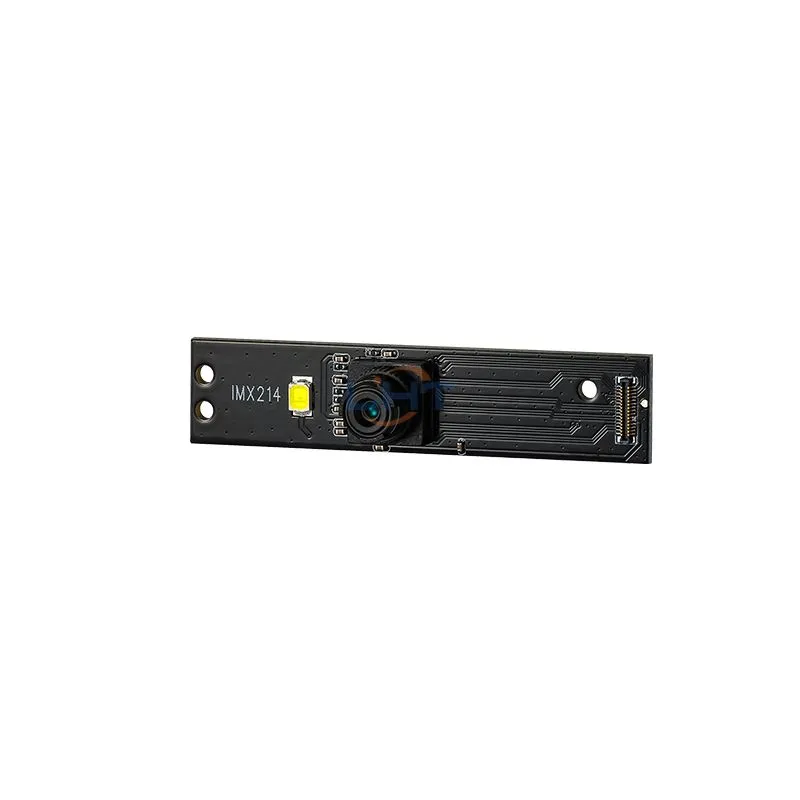
MIPI Camera Modules are sophisticated imaging devices that utilize the MIPI interface for connecting to processors, particularly in embedded systems. The MIPI protocol ensures that these cameras deliver high-quality images while minimizing latency and power consumption. According to a report from the International Society for Optics and Photonics (SPIE), the use of MIPI interfaces can provide data rates of up to 6 Gbps, ensuring smooth video streaming and high-resolution imaging.
MIPI Camera Modules have a wide range of applications across various fields:
MIPI Camera Modules offer several key advantages:
To dive deeper into the world of MIPI Camera Modules and unlock their potential, consider reading the user guide provided by Linhuitong Information Technology. This guide will offer detailed instructions and practical insights for integrating MIPI camera modules into your projects, ensuring you get the most out of this technology.
Q: What Raspberry Pi models support MIPI Camera Modules?
Q: Can I use MIPI Camera Modules for live streaming?
Q: How do I install MIPI Camera Modules?
For those looking to experiment with MIPI Camera Modules and create innovative solutions, Linhuitong Information Technology offers a range of products and resources. Take the next step in your tech journey by exploring our offerings and enhancing your projects with high-performance camera modules.
Previous: None
Next: How to select a MIPI Camera Module for industrial devices?


